AI and Product Design
Embrace the new creative tools

Creatives who refuse to understand AI capabilities and tools will be left behind.
I know how that sounds. A little dramatic. Maybe even a little smug. But I genuinely believe it — and I’ve thought hard about whether I’m just pattern-matching on hype.
Here’s where I landed: I’ve watched the industry shift before. Bootstrap changed front-end development. Mobile changed how we thought about layout and touch targets. Figma replaced Sketch almost overnight. Every time, there were designers who dug in early, got comfortable, and came out ahead. And there were designers who waited too long and spent the next two years playing catch-up.
AI is that kind of shift. Except bigger.
What’s different now is that AI isn’t just changing our tools — it’s changing what’s possible to design for. Wearables, AR, VR, AI agents, IoT devices, LLMs running on tiny computers. The canvas keeps expanding, and the designers who understand what AI can and can’t do will be the ones shaping what gets built on it.
I’m not saying you need to become a machine learning engineer. I’m saying you should understand what a vision model is. You should have used a voice API. You should know what an agent can and can’t do reliably. Not because it makes you a better prompt writer, but because it makes you a more informed designer — someone who can look at a problem and recognize when AI belongs in the solution.
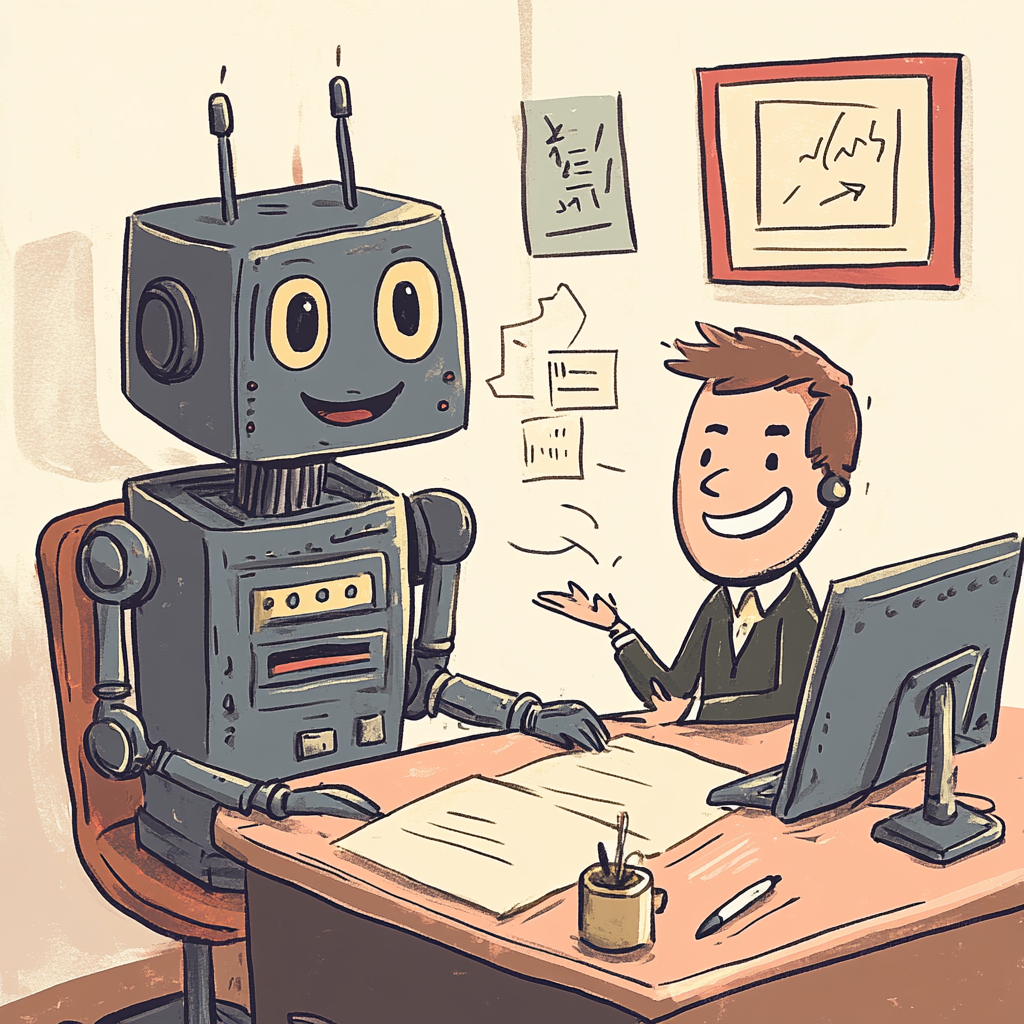
The designers I respect most right now aren’t the ones shouting about AI taking our jobs. They’re the ones quietly getting good at it — using it to go faster, think bigger, and spend more time on the work that actually requires a human.
That’s where I want to be. And honestly, it’s been kind of fun getting there.